Dinder is a small village 2½ miles west of Shepton Mallet, and 2 miles east of Wells in Somerset.
| Name | Occupation | Posted from | Until |
|---|---|---|---|
| Sergeant Fred Joseph Shatwell | Schoolmaster Assistant Head |
24 Jun 1940 | 03 Dec 1944 |
| Private Charles Henry Clark | Dairy farmer |
03 Jun 1940 | 03 Dec 1944 |
| Private Sydney F. Down | Assisting father dairy farmer |
14 Jun 1940 | 03 Dec 1944 |
| Private Dennis Reginald Dyke | Farmer |
16 Mar 1942 | 03 Dec 1944 |
| Private Horace Padfield Godfrey | Poultry farmer |
06 Jun 1940 | 03 Dec 1944 |
| Private Percival Harry Hull | Estate carpenter |
03 Jun 1940 | 03 Dec 1944 |
| Private Clifford Reginald Taylor | Dairy farmer assisting father |
07 Jun 1940 | 03 Dec 1944 |
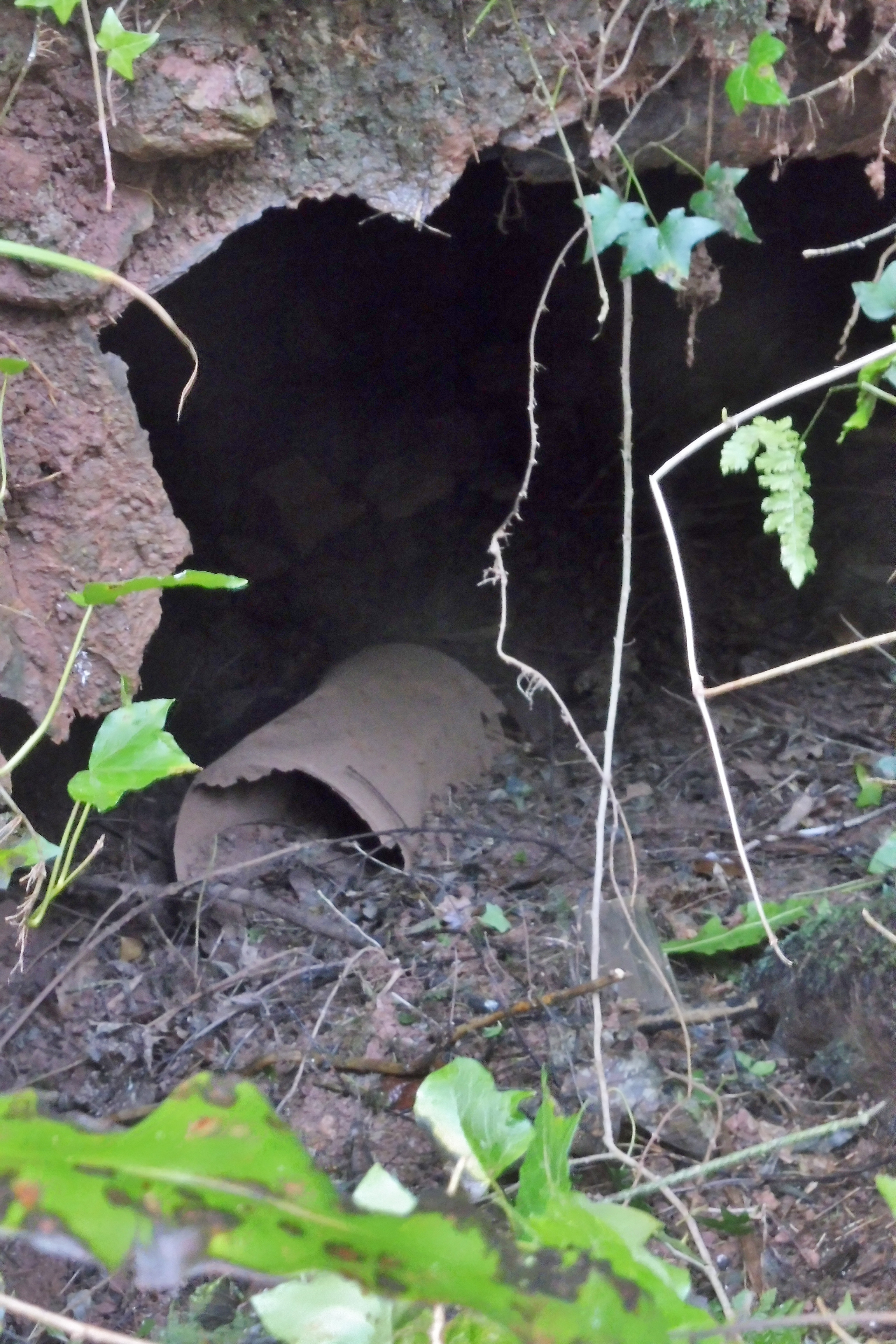
It is recalled the Patrol had two OBs. Horace Godfrey recalled the Patrol initially made use of a split in the rock of Foster Yeoman's Quarry on the south side of Dulcote Hill, above the railway line. A natural cave system was enlarged by blasting. This was used for the first year but they moved sites after having problems with badgers. Dennis Dyke knew about it but it was replaced by a more conventional OB in Lyatt Wood by the time he joined in 1942. It is unknown if this OB is still there as some of Dulcote Hill has been quarried for years.
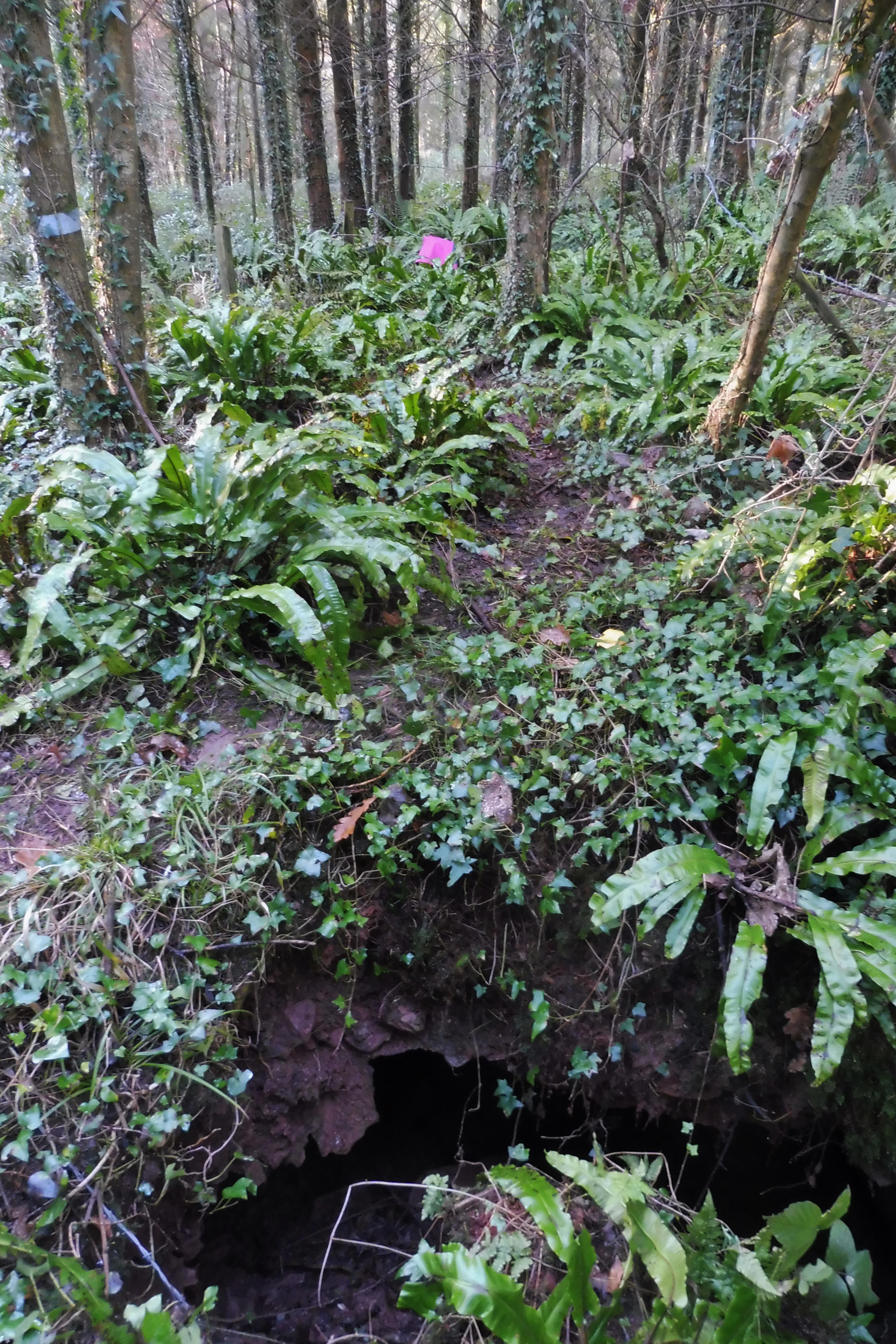
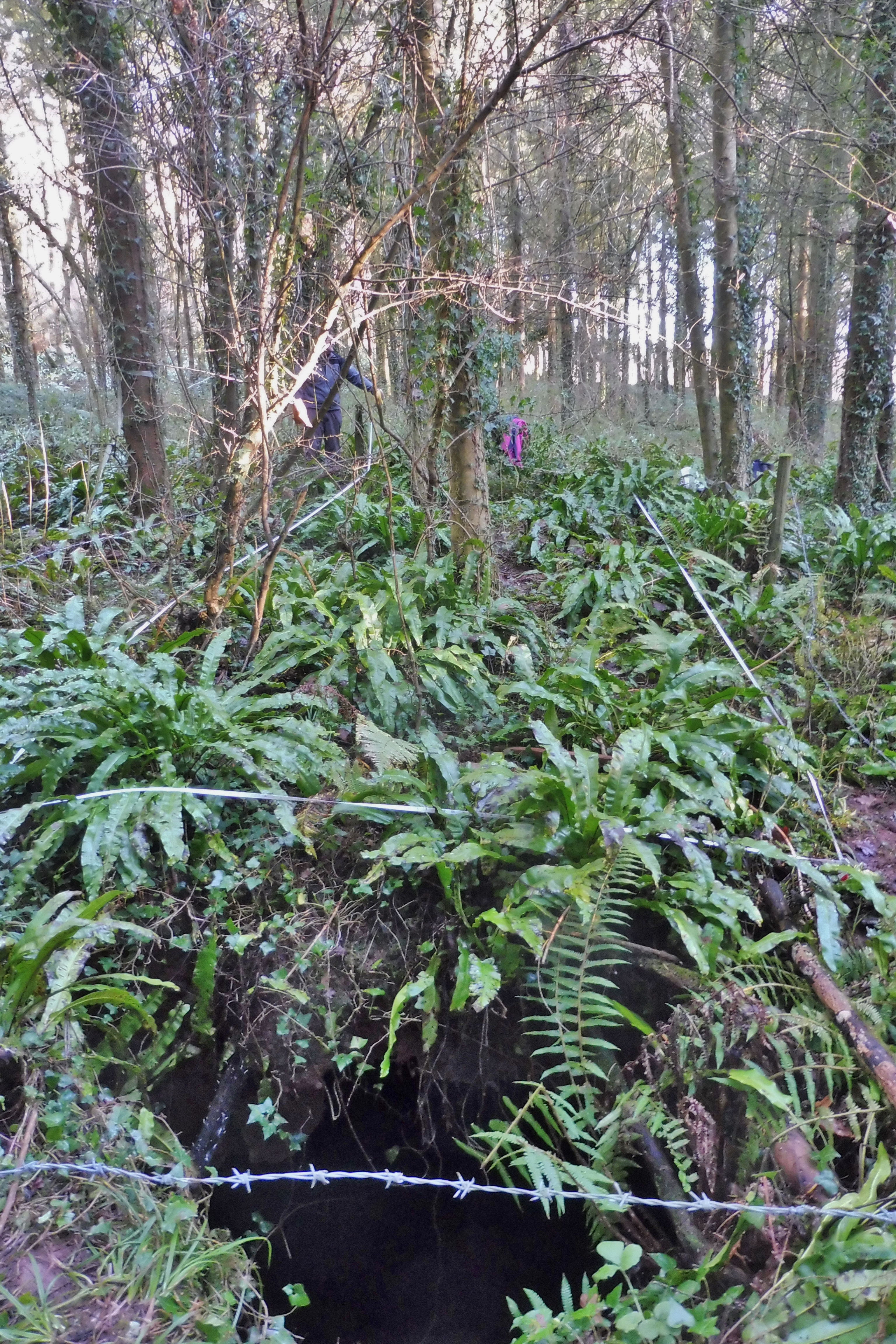
The new site was on the Somerville Estate in Lyatt Wood. The wood is damp and has dense ground cover.
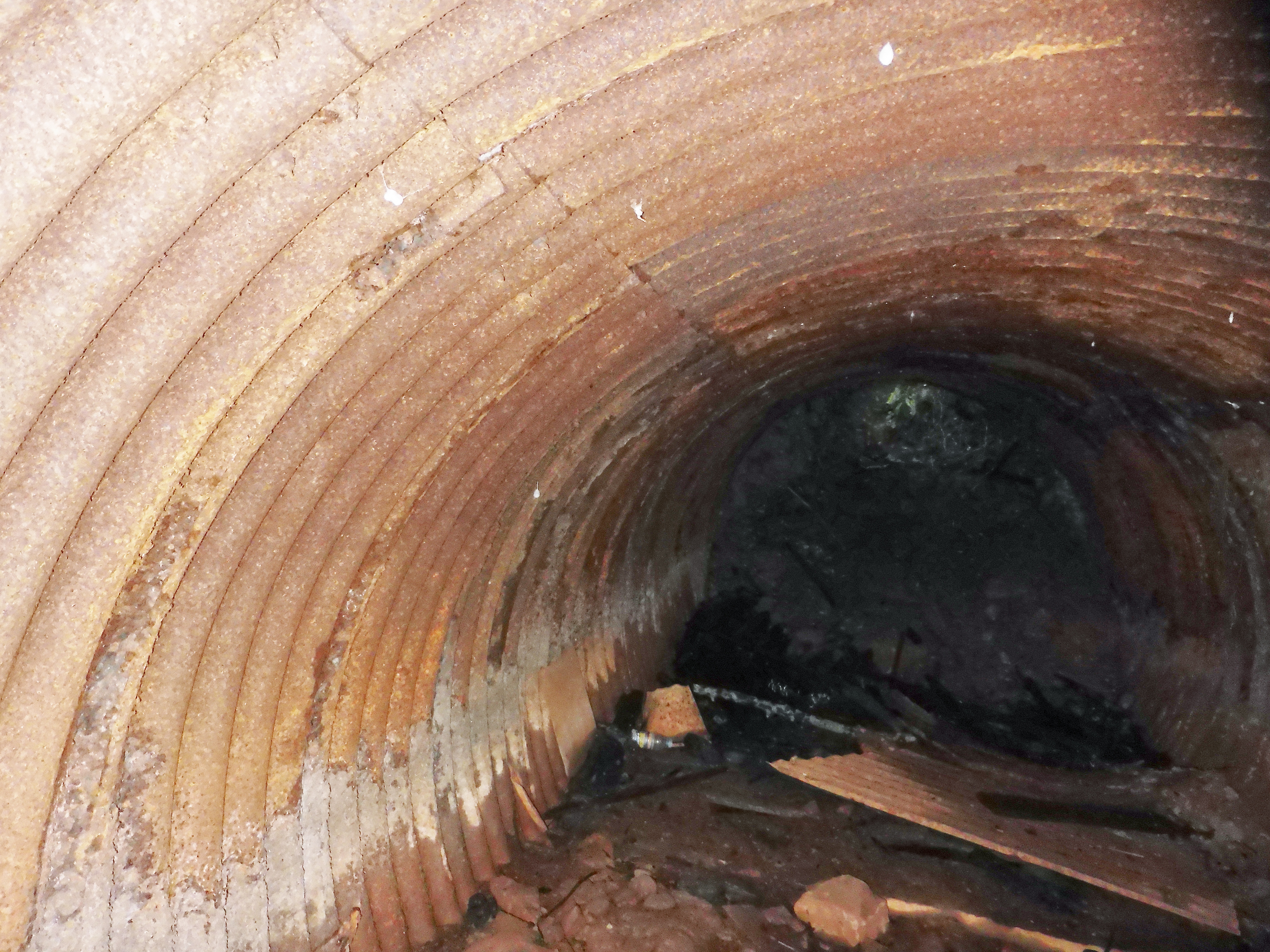
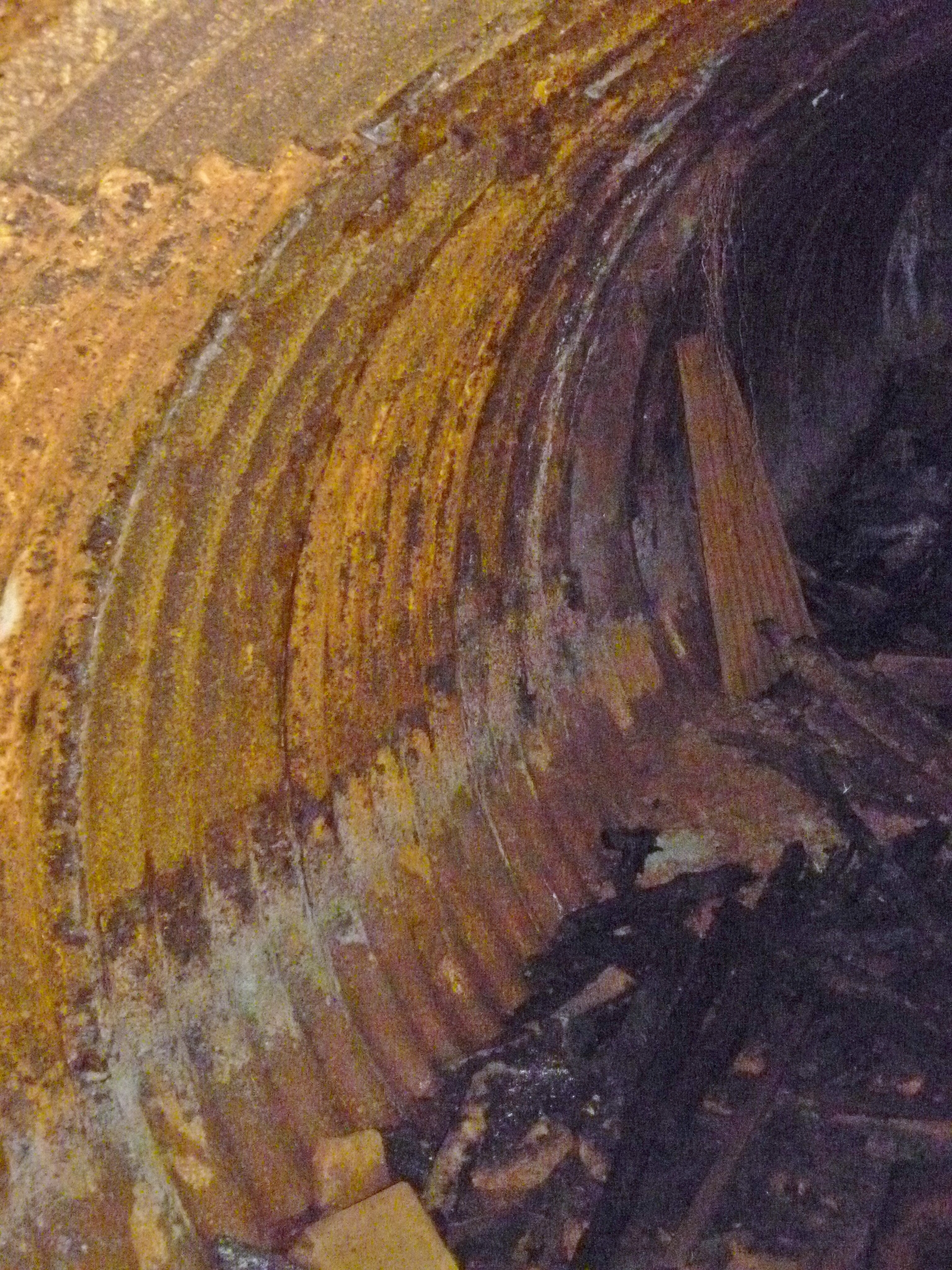
The OB in Lyatt Wood was started to be built by the Patrol but finished by the regular army around 1941 to 42. They dug up a fir tree, buried a "Nissen hut" then replanted the fir tree. The main chamber was split into two, they made bunk beds of wire netting with a wooden frame for the sleeping side and stored food and explosives in the other side. The entrance was a trap door that then had a two step drop down entrance. It appears the OB had wooden flooring and in the centre of the main chamber floor is some form of square sump to allow for drainage. This OB runs East to West and it is sited on the friendly side of Stop Line Green, one of the WW2 stop lines.
The Patrol had a Observational Post which was a telephone in a dugout, 100 yards away from the OB towards Dulcote.
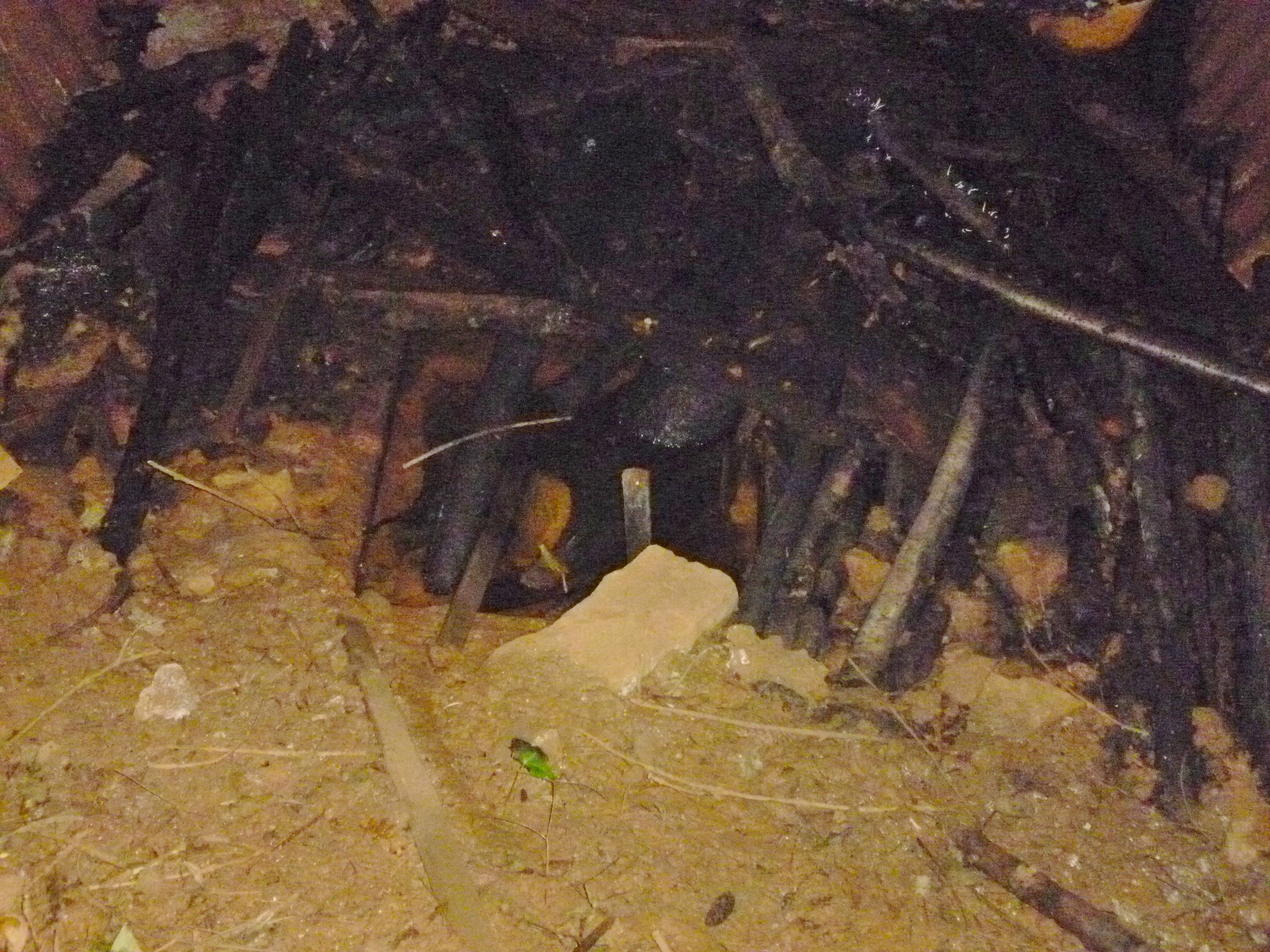
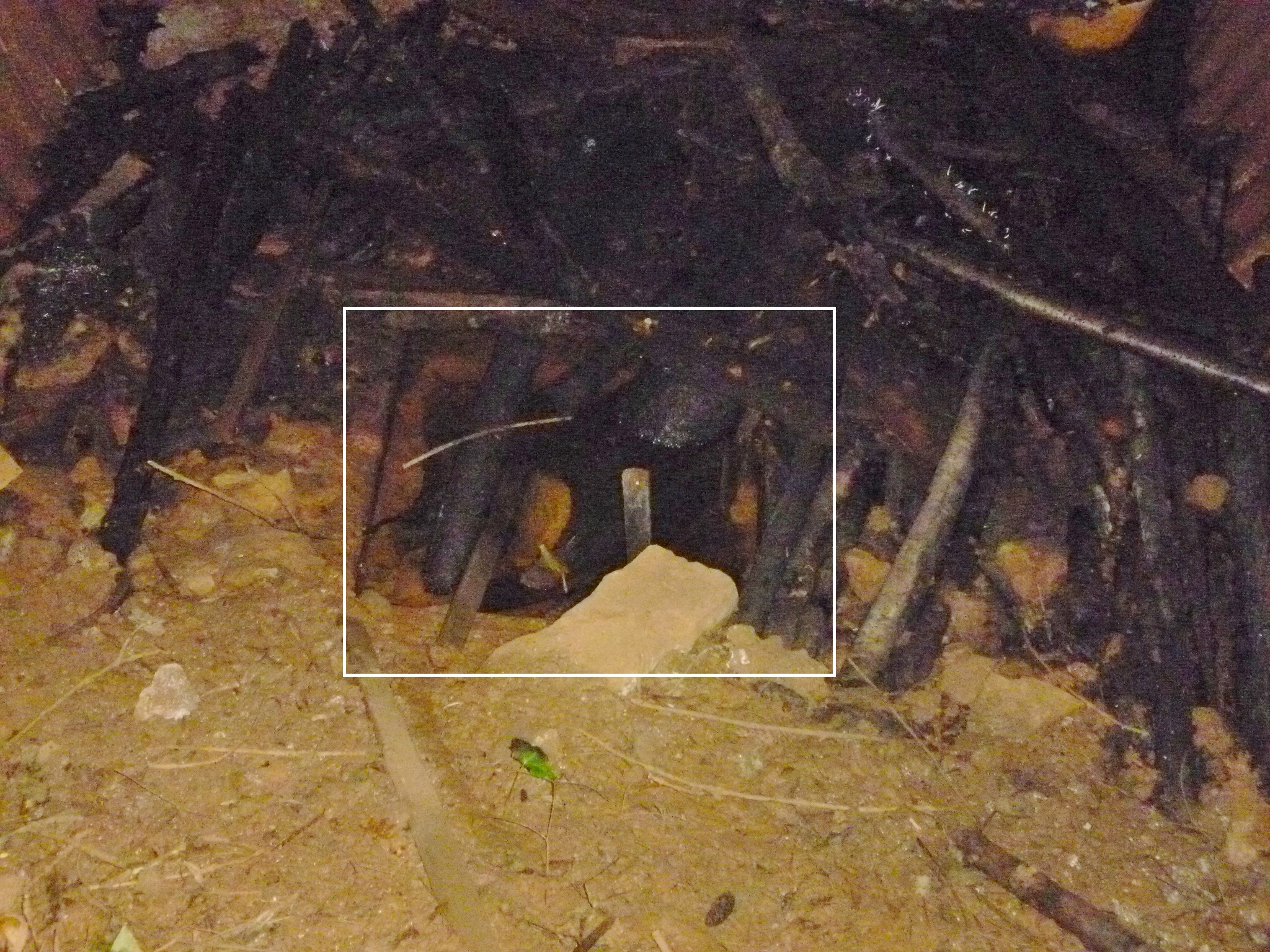
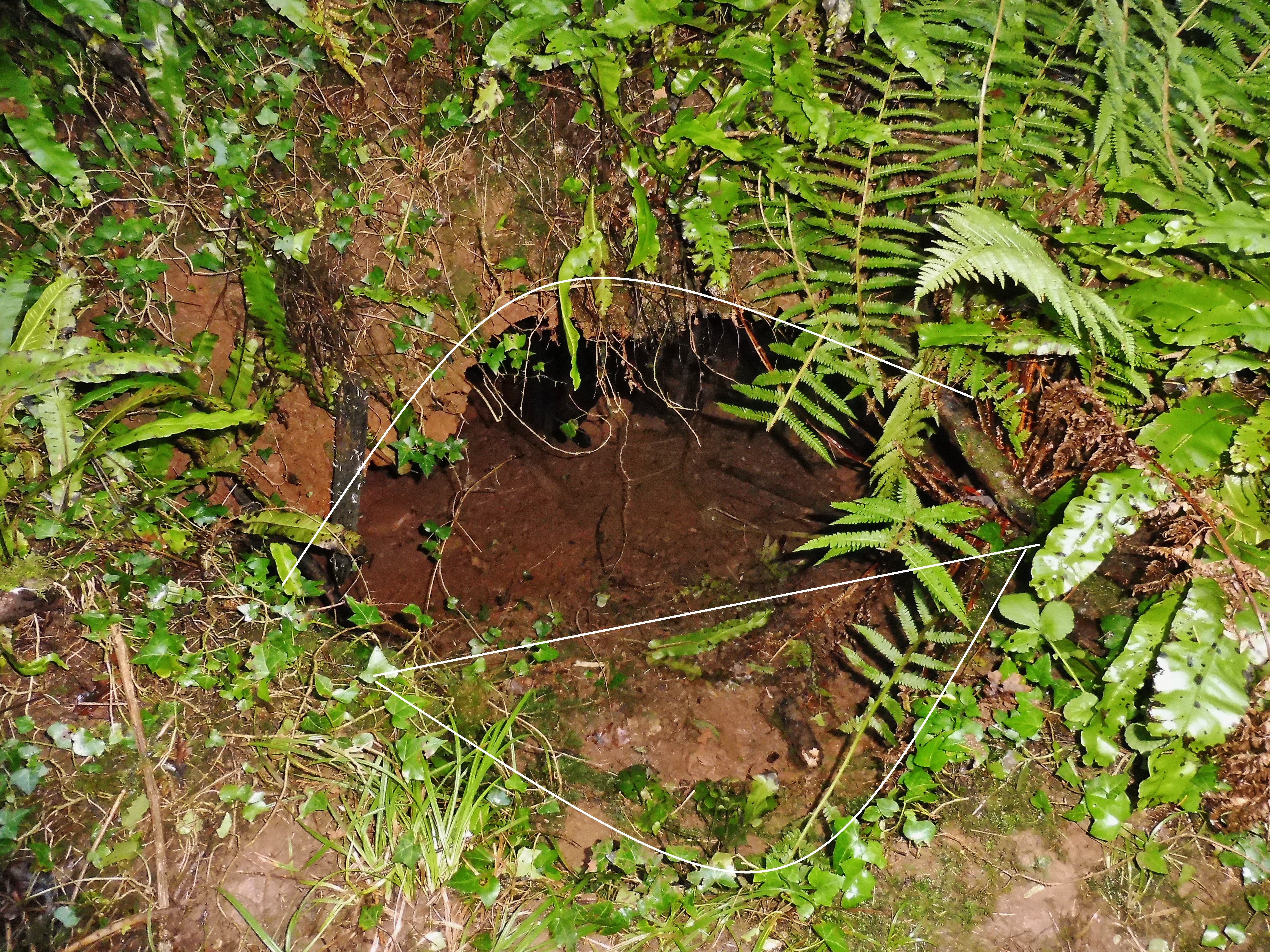
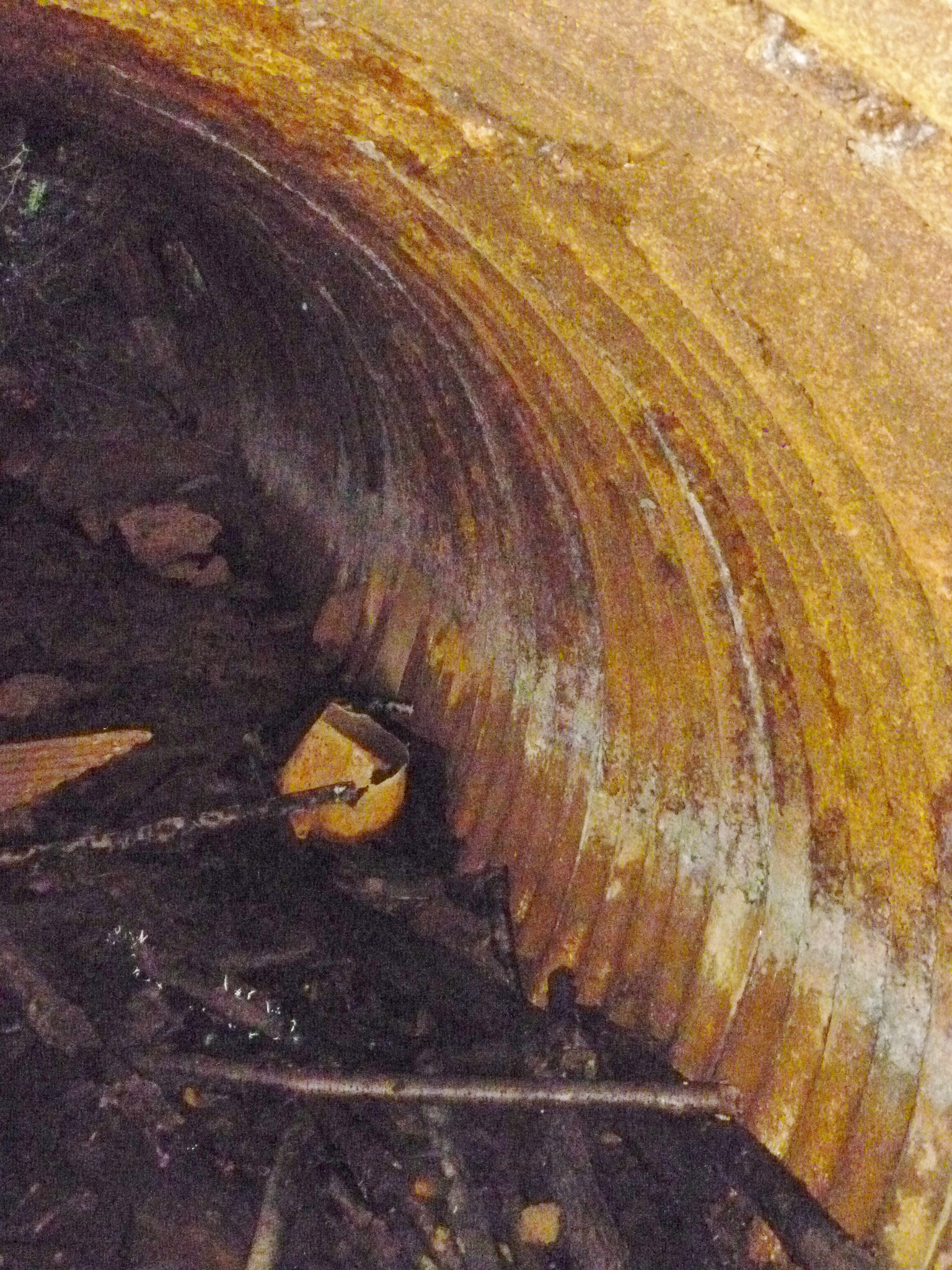
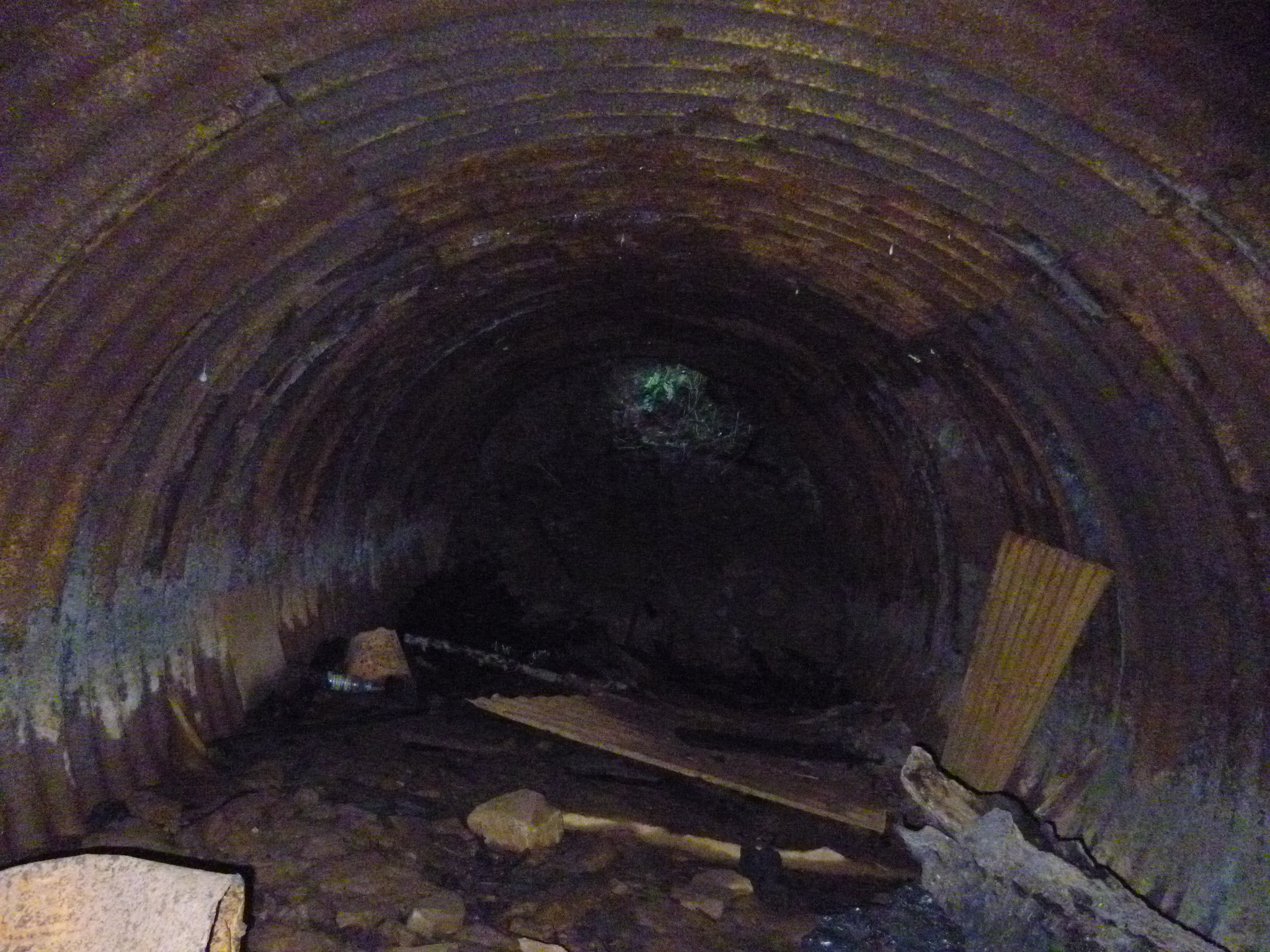
As of 2017 we could not see any remains of the trap door, ends walls, or any possible brick or block that was used. All that can be seen is a corrugated tunnel, both ends of the OB. There is around 45 inches of soil on top, to ground level. The OB has water in it so we could not see the floor, and both ends have collapsed.
This wood has now been replanted.
Dinder Patrol
Dennis Dyke recalled the Patrol trained at Cranmore under Lieutenant Harrison along with Freddy Chapman and Frank Roots assisting. He also went to Coleshill House once.
The Patrol had a Thompson Sub Machine Gun, Smith & Wesson revolvers, various explosives and grenades according to Dennis Dyke.
The Patrol found a Projector, Infantry, Anti Tank weapon that was dropped, they thought it may have fallen of a plane. They were very keen to make use of this but it was bent so it could not be used.
Lieutenant Edward Harrison was a geography teacher and assistant Headmaster at Wells Cathedral School and seems to have recruited quite a few ex-pupils into the Patrols under his command.
The Patrols of Group 11 under Lieutenant Harrison: Dinder Patrol, Green Ore (Wells) Patrol, Ebbor Patrol and Butleigh Patrol met at The Bekynton Cafe in Wells on Friday 15th December 1945 for a reunion meal. The men enjoyed steamed cod and parsley sauce with peas and Brussels sprouts. Pudding was damson pie and custard and they were each presented with a letter of thanks from the Commander in Chief Home Forces, General Sir Harold Franklyn.
They met again on Thursday 19th December 1946 at Wickenden's Restaurant where the Wells Journal openly calls them Aux Units.
TNA ref WO199/3390 & WO199/3391
Hancock data held at B.R.A
1939 Register
Wells stand down menu
Don Brown and his research for Defence of Britain Project who was able to interview Horace Godfrey and Dennis Dyke.
Lady Showering
Chris Perry