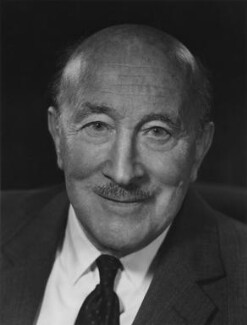
Born in Paris to Walter Behrens, President British Chamber of Commerce in Paris, and Evelyn Kate Beddington. His twin brother 2nd Lt. Walter Louis Behrens, Royal Field Artillery, was killed in action in 1917.
He was awarded the MC in 1917 for conspicuous gallantry and devotion to duty. During a very heavy bombardment of his battery he showed the greatest courage and promptitude in extinguishing fires amongst camouflage and ammunition. He also brought under cover a sergeant who was badly wounded. His energy prevented the destruction of much ammunition and material.
In 1918 he was awarded the bar for conspicuous gallantry and devotion to duty. Whilst acting as forward observation officer he maintained his communications for four hours under a heavy barrage, and sent back much useful information. On the infantry being forced to withdraw, he manned a trench with his observation post party, in addition to which he maintained communication with his battery, which was thus able to do great execution in the enemy ranks. On the following day, although all communication was cut, he succeeded in keeping a line in working order for a period of ten hours, thus enabling artillery fire to be brought to bear on hostile attacks. His fearlessness and determination were magnificent and his energy unremitting. He served with Gubbins during WW1 and wrote home calling him "a ripping little fellow", it was noted he was devoted to Gubbins.
In the Second World War he was mobilised with his regiment for the Belgian and French campaigns.
On 2 Jul 1940 he joined Auxiliary Units from the beginning, when their headquarters was in Whitehall Place, then moved out of London to Coleshill House. His duties were recruitment and administration. He was believed to have spent evenings in London on business but was actually assisting an ARP Group rescuing trapped civilians from bombed out houses.
In April 1944 he went on to the unemployed list. And from 1 Sep 1948 he ceased to be on the Reserve having exceeded the age limit. He was a strong pro-European and also a successful businessman. Post war he seems to have held a few Directorships and was Chairman of a few companies (such as Gray Carpets and Textiles) alongside fellow Auxiliary Units Officer Major Colin Gubbins.
He was awarded a Companion of the Order of St Michael and St George 16 July 1957.
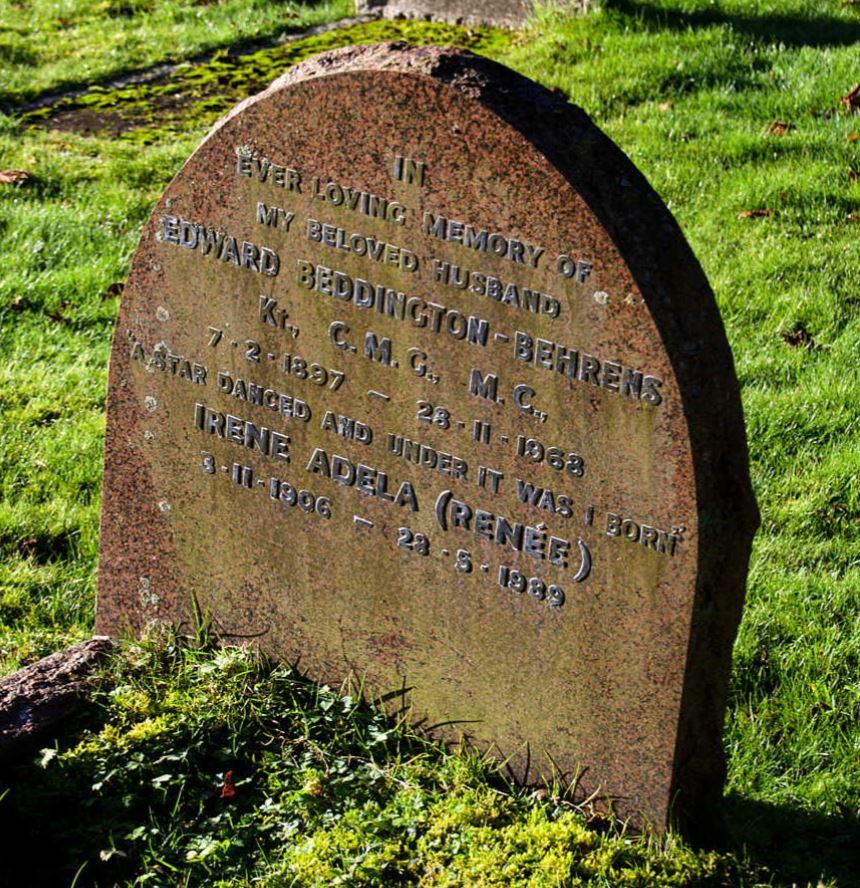
He died at Chesham Place, London and is buried at St James Churchyard, plot 318.
| Unit or location | Role | Posted from | until |
|---|---|---|---|
| Coleshill House, GHQ | Commanding Officer Auxiliary Units | 02 Jul 1940 | 13 Jun 1941 |
Charterhouse; RMA, Woolwich (Under-Officer);
Christ Church, Oxford (blue, athletics);
London University (Ph.D Econ.)
Industrialist
Charterhouse Officer training Corps
7 May 1915 to 14 Sept 1915 - London Inns of Court, Officer training Corps
August 1915 - commissioned 1st East Anglian Brigade Territorial Army
1915 to 16 - Royal Military Academy, Woolwich
26 May 1916 - Appointed to a Commission as 2nd Lieutenant, Royal Field Artillery
30 May 1916 - ? resigned went to Woolwich and commissioned 2nd Lieutenant regular army
May 1916 to May 1918, France –
1st and 2nd battle of the Somme
1st and 2nd battle of Arras Passchendaele, continually in the line for the whole period
14 Aug 1917 Awarded Military Cross for courage under fire and extinguishing fires in camouflage and ammunition.
26 Nov 1917 - Promoted Lieutenant
May 1918 - Gassed shell shock, Arras21 Jun 1918 Bar to Military Cross for gallantry and devotion to duty
Aug 1918 to the end of the war Commanded D 85 battery RA / 4.5 Howitzers, last 6 weeks of war
17 Oct 1918 - Appointed acting Captain
10 June 1939 - Appointed to a Territorial Army commission in the rank of Major Royal Artillery.
1939 - Anti Aircraft course, Beacon Hill.
1939 - London school of Gunnery.
Jan to August 1939 - Attached to 29 Medium Regiment Royal Artillery, for training.
10 May 1939 - Major.
7 Nov 1939 - Posted to 63rd (West Riding) Medium Regiment Royal Artillery and appointed 2nd in command, Melksham.
23 Dec 1939 - Posted from 63rd (West Riding) Medium Regiment Royal Artillery, Melksham to the British Expeditionary Force.
8 June 1940 - Admitted hospital, wounded. 14 June 1940 Stockton on Tees
2 Jul 1940 Joined Auxiliary Units with administrative and recruitment role at Headquarters
8 Aug 1940 - Appointed General Staff Officer 3rd grade, HQ Aux units, GHQ Home Forces
21 March 1941 - Appointed General Staff Officer 2nd grade (Liaison) GHQ Home Forces
31 March 1941 Relinquished 13 June 1941
13 June 1941 - Administrative staff course No 5, Oxford
18 June 1941 -Posted to ‘Attd’ Depot RA from staff (General Staff Officer 2 (Liaison) GHQ Home Forces)
9 Sept 1941 - Posted to 140 ? Regiment
13 Feb 1942 - Delete PL 366 Ser 17 and delete PL 382 ?
12 May 1942 - To be 2nd in Command 146 ? Relinquished command
11 May 1942 - Relegated to unemployment list
1 Sept 1948 - To retire (age limit)
Retained the rank of Major
He married Barbara Burton in 1931, the daughter of Sir Montague and Lady Burton.
He then married Princess Irena Obolensky in the Russian Chapel, London 1944. They divorced in 1958.
In June 1958, he married Mrs Irene Adela Kane (1906–1989) in Switzerland.
He was Deputy Chairman Army League committee (1937), Chairman Ocean Trust, (1946), Chairman of UK council of European Movement (1960s).
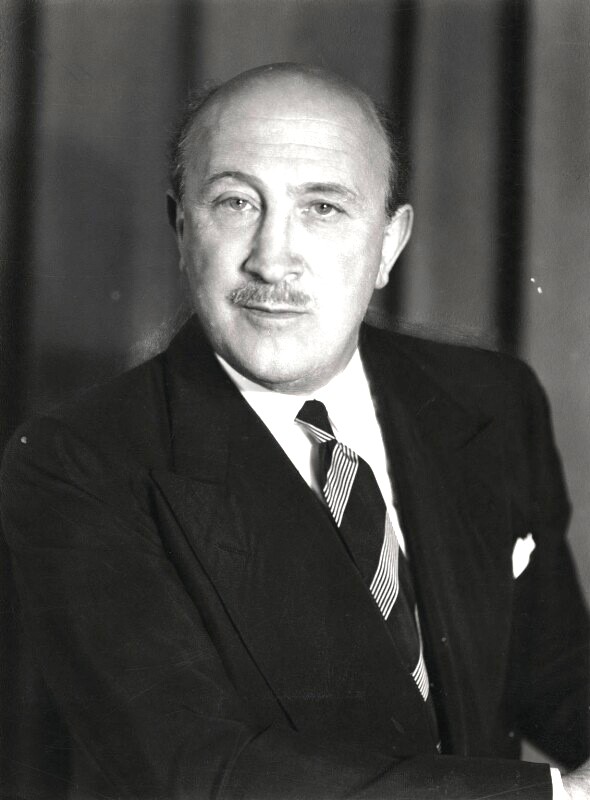
Travel details of Sept 1946 record his as being 6 foot tall with fair hair, blue eyes and a fair complexion.
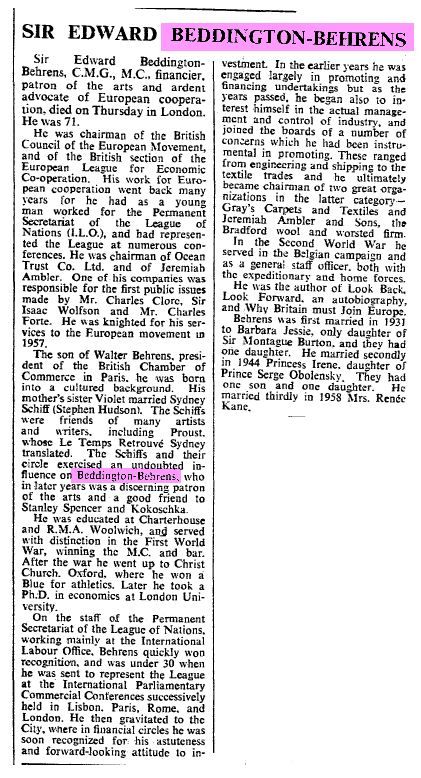

Early telephone list from John Dingley
Service record via Chris Perry
The Queen 6 Sept 1944
Bonhams